Tinnitus is the perception of sound when no outside sound is present. People often describe it as ringing, buzzing, humming, hissing, clicking, roaring, or whistling in one or both ears. For some, it is a minor background noise. For others, it can interfere with sleep, concentration, work, and emotional wellbeing.
While there is not one universal cure for tinnitus, many people find meaningful relief by reducing triggers, changing how they respond to the sound, and treating related hearing or health issues. The goal is often not to “force” tinnitus away, but to make it less noticeable, less distressing, and less disruptive to daily life.
Here are practical tinnitus relief and coping tips that may help.
Start With a Hearing Check
One of the most important steps is to schedule an appointment with an audiologist, hearing specialist, or ear, nose, and throat doctor (ENT).
Tinnitus is commonly linked with hearing loss, including mild hearing loss that may not be obvious in everyday conversation. When the brain receives less sound input from the ears, it may become more aware of internal sound signals, including tinnitus.
A hearing assessment can help identify:
- Hearing loss
- Earwax blockage
- Middle-ear problems
- Noise-related damage
- Medication-related concerns
- One-sided tinnitus or other symptoms that need further review
If hearing loss is present, hearing aids may help some people. By making external sounds easier to hear, they can reduce the contrast between tinnitus and silence.
Use Sound to Reduce the Contrast
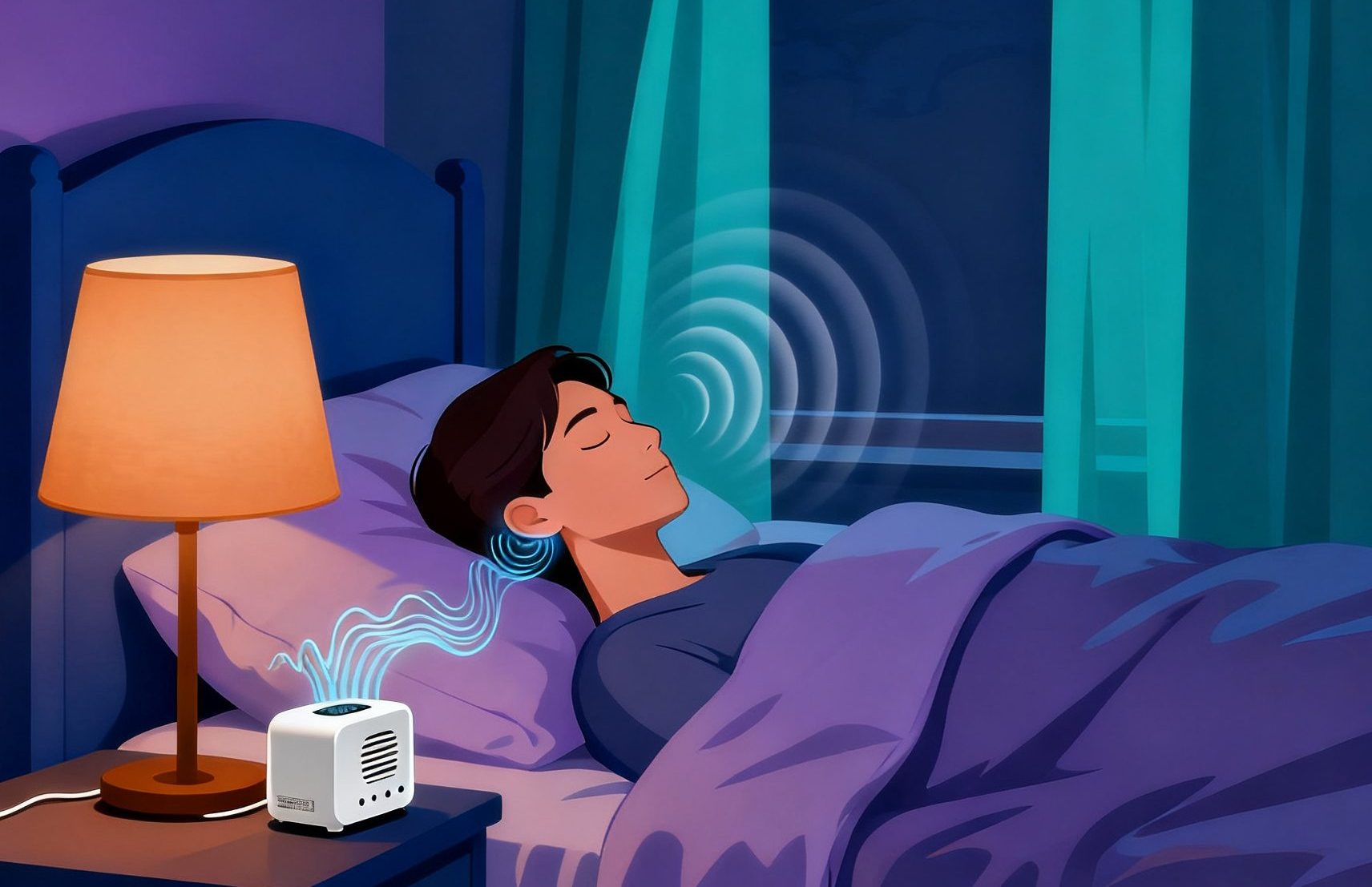
Tinnitus often feels louder in quiet rooms, especially at night. Soft background sound can make ringing less noticeable and help your brain pay less attention to it.
Try gentle, steady sound sources such as:
- A fan
- Soft music at a low volume
- Nature sounds, such as rain, ocean waves, or forest ambience
- White noise, pink noise, or brown noise
- A sound machine
- A low-volume podcast or audiobook before sleep
There is no single “best” sound for tinnitus. Some people prefer rainfall, while others find it irritating. Experiment with different options and choose something calming that does not need to be played loudly.
Avoid trying to completely drown out tinnitus with loud sound. The goal is usually gentle sound enrichment, not overpowering noise.
Protect Your Ears Without Overprotecting Them
Loud noise exposure can worsen tinnitus or contribute to further hearing damage. Protecting your hearing is a key part of long-term tinnitus management.
Use ear protection when you are around loud sounds, including:
- Concerts and clubs
- Sporting events
- Construction areas
- Power tools and lawn equipment
- Motorcycles
- Fireworks
- Loud workplaces
Reusable musician’s earplugs can be useful because they reduce volume while keeping speech and music clearer than basic foam plugs.
However, wearing earplugs all day in normal, safe environments may make tinnitus seem more prominent because it reduces everyday sound. Reserve hearing protection for genuinely loud settings rather than routine household noise.
A useful rule of thumb: if you need to raise your voice to speak to someone nearby, the environment may be loud enough to warrant protection.
Manage Stress and Anxiety
Stress does not always cause tinnitus, but it can make the sound seem louder and more upsetting. Tinnitus and anxiety can create a difficult cycle: ringing causes worry, worry increases attention to ringing, and the ringing then feels even stronger.
Stress-reduction practices can help interrupt that cycle. Consider adding one or two of these habits to your routine:
- Slow breathing exercises
- Meditation or mindfulness practice
- Gentle yoga or stretching
- Walking outdoors
- Journaling
- Progressive muscle relaxation
- Talking with a therapist or counsellor
- Regular social connection with supportive people
A simple breathing exercise is to inhale slowly for four seconds, exhale for six seconds, and repeat for a few minutes. A longer exhale can help signal safety and calm to your nervous system.
You do not need to feel perfectly relaxed for tinnitus coping strategies to work. Even small reductions in stress can make a noticeable difference over time.
Improve Sleep Habits
Poor sleep and tinnitus often feed into each other. Ringing can make it hard to fall asleep, while exhaustion can make tinnitus feel harder to tolerate the next day.
Try these sleep-supporting habits:
- Keep a regular sleep and wake time when possible.
- Use soft background sound in the bedroom.
- Avoid checking the clock repeatedly during the night.
- Reduce bright screens for an hour before bed.
- Limit caffeine later in the day.
- Keep the bedroom cool, dark, and comfortable.
- Use the bed mainly for sleep rather than work or scrolling.
- Get daylight exposure and movement during the day.
If you lie awake for a long time, it may help to get up briefly and do a calm activity in dim light, such as reading a few pages of a book. Return to bed when you feel sleepy.
If insomnia continues, consider speaking with a healthcare professional. Cognitive behavioural therapy for insomnia (CBT-I) is often effective and can also support tinnitus coping.
Watch for Personal Triggers
Tinnitus triggers vary widely. A habit that worsens symptoms for one person may have no effect on another. Keeping a brief symptom journal can help you identify patterns.
For one or two weeks, note:
- How noticeable your tinnitus was that day
- Sleep quality
- Stress level
- Caffeine and alcohol intake
- Loud-noise exposure
- Exercise
- New medications or supplements
- Illness, allergies, jaw tension, or headaches
Some people notice a temporary increase in tinnitus after caffeine, alcohol, nicotine, high-salt meals, dehydration, or poor sleep. Others do not.
Rather than cutting out everything at once, test one change at a time. This makes it easier to learn what truly affects you and prevents overly restrictive routines.
Stay Physically Active
Regular movement supports circulation, mood, sleep, stress management, and overall health. These benefits can make tinnitus easier to handle, even if exercise does not directly remove the sound.
Choose activity you can do consistently, such as:
- Walking
- Cycling
- Swimming
- Dancing
- Strength training
- Pilates
- Gardening
- Low-impact exercise classes
Aim for gradual progress. A short daily walk is often more sustainable than an intense workout plan you dislike.
If you notice your tinnitus changes during exercise, pay attention to other symptoms. Tinnitus accompanied by dizziness, chest pain, severe headache, or unusual shortness of breath should be discussed with a medical professional.
Consider Jaw and Neck Tension
For some people, tinnitus changes with jaw movement, teeth clenching, neck position, or muscle tension. This may be connected to temporomandibular joint (TMJ) problems, teeth grinding, posture issues, or tight neck muscles.
Possible signs include:
- Jaw clicking or pain
- Frequent clenching
- Morning jaw soreness
- Headaches
- Neck stiffness
- Tinnitus that changes when moving the jaw or neck
A dentist, physiotherapist, or doctor may be able to assess these issues. Gentle neck mobility work, posture changes, stress reduction, and treatment for teeth grinding may help when jaw or neck tension is a contributing factor.
Be Careful With “Miracle Cure” Claims
Tinnitus can be frustrating, which makes bold promises especially tempting. Be cautious of products that claim to cure tinnitus quickly, permanently, or for everyone.
There is limited evidence that supplements, detoxes, ear candles, or expensive devices can reliably eliminate tinnitus. Ear candles, in particular, can cause burns, blockages, and injury.
Before starting a supplement or changing prescription medication, speak with a pharmacist, doctor, or qualified clinician. Some medications can be associated with tinnitus, but do not stop prescribed treatment suddenly without medical advice.
Seek Support if Tinnitus Is Affecting Your Life
Tinnitus is not “just in your head.” The sound may be real to your experience, and the distress it causes deserves support.
Counselling approaches, especially cognitive behavioural therapy (CBT), can help reduce tinnitus-related anxiety, improve sleep, and make the sound feel less intrusive. CBT does not claim that tinnitus is imaginary; it helps change the brain’s emotional response to it.
Support groups can also be helpful. Speaking with others who understand tinnitus can reduce isolation and offer practical ideas for daily coping.
When to Seek Urgent Medical Advice
Arrange prompt medical assessment if tinnitus is:
- Only in one ear, especially if it is new or persistent
- Pulsing in time with your heartbeat
- Sudden or accompanied by sudden hearing loss
- Linked with severe dizziness or balance problems
- Accompanied by facial weakness, numbness, severe headache, or neurological symptoms
- Triggered by a head injury
- Causing serious emotional distress, panic, or thoughts of self-harm
Sudden hearing loss is a medical emergency and should be assessed as quickly as possible.
A Final Word
Living with tinnitus can be challenging, but many people find that it becomes less intrusive with time, sound support, hearing care, healthier routines, and reduced fear around the sound. Progress is often gradual. Focus on practical steps you can repeat consistently: protect your hearing, avoid complete silence, manage stress, support sleep, and get professional advice when needed.
The ringing may not disappear overnight, but it does not have to control your day.