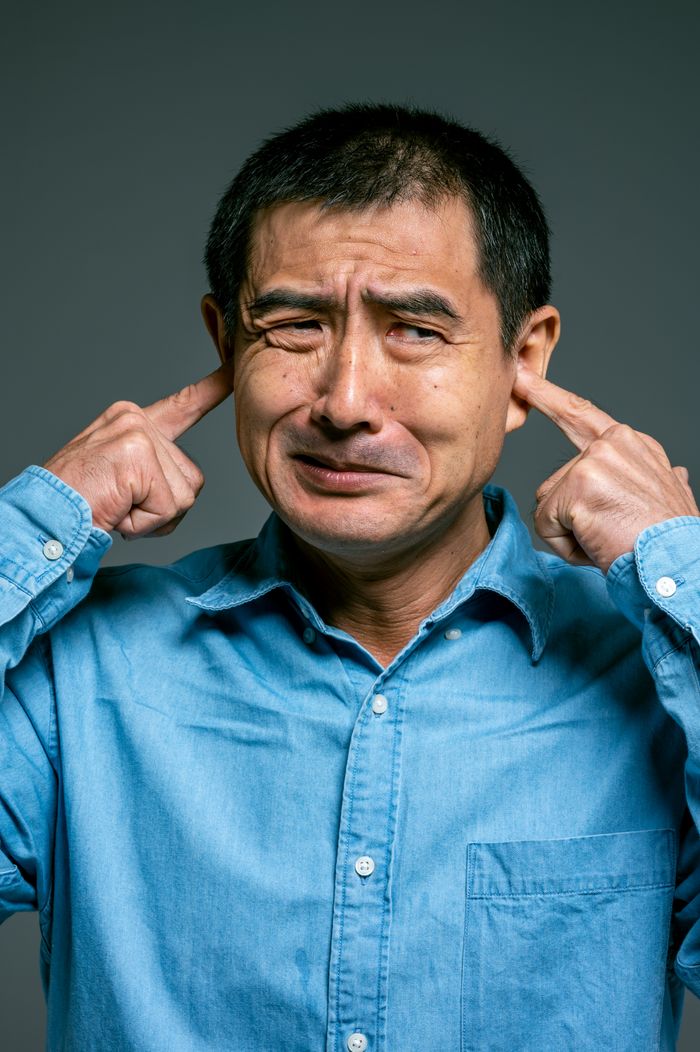
Tinnitus can affect more than your hearing. The ringing, buzzing, humming, hissing, or other sounds may interfere with sleep, concentration, work, social time, and relaxation. Some days, the sound may barely bother you. On other days, it can feel impossible to ignore.
There is no one-size-fits-all answer for tinnitus. However, daily habits can influence how noticeable and distressing it feels. Paying attention to sleep, stress, sound exposure, diet, movement, and your listening environment may help you feel more in control.
Here are practical lifestyle approaches that may support people living with ringing ears.
Protect your ears without avoiding all sound
Loud noise is a common cause of tinnitus and can also make existing tinnitus worse. Concerts, power tools, sporting events, motorcycles, headphones at high volume, and workplace machinery can all expose your ears to potentially harmful sound levels.
Hearing protection is important in genuinely loud places. Foam earplugs, reusable musician’s earplugs, earmuffs, and noise-reducing headphones can all be useful depending on the situation.
At the same time, it is usually not necessary—or helpful—to wear earplugs all day in normal environments. Overprotecting your ears in everyday settings may make ordinary sounds feel overly intense and can increase your awareness of tinnitus.
A sensible approach is to protect your hearing when sound is truly loud, while still allowing yourself to experience normal daily sound.
Situations where hearing protection may be useful
- Concerts, clubs, festivals, and sporting events
- Lawn mowing, drilling, woodworking, and power tools
- Motorcycling or other loud recreational activities
- Factories, construction sites, and noisy workplaces
- Fireworks and other sudden high-volume sounds
If you regularly work around loud sound, speak with your employer or a hearing professional about appropriate protection.
Review your headphone habits
Headphones are convenient, but long listening sessions at high volume can strain your hearing. If you use earbuds or headphones often, make a few simple changes:
- Keep the volume at a comfortable, moderate level.
- Take listening breaks throughout the day.
- Avoid turning volume up to overcome noisy surroundings.
- Use noise-cancelling headphones in loud places instead of increasing volume.
- Choose over-ear headphones when possible if earbuds cause irritation or discomfort.
A useful rule is that if someone standing nearby can clearly hear what is playing through your headphones, the volume may be too high.
If you notice tinnitus becoming more noticeable after listening to music, gaming, watching videos, or taking calls through headphones, lower the volume and give your ears some quiet recovery time—without sitting in complete silence for hours.
Prioritize better sleep
Tinnitus and poor sleep often feed into each other. Ringing ears can make it harder to drift off, while exhaustion can make tinnitus seem louder and more upsetting the next day.
A consistent bedtime routine may help reduce this cycle. Try to go to bed and wake up at similar times each day, including weekends when possible. Reduce bright screens in the hour before bed, keep the room cool and dark, and avoid checking the time repeatedly if you wake during the night.
Many people find that gentle background audio helps at bedtime. A fan, air purifier, rainfall track, soft pink noise, or a low-volume sound machine can reduce the contrast between tinnitus and a quiet bedroom.
Avoid playing sound loudly enough to block everything else out. The goal is comfort, not overpowering noise.
If insomnia is persistent, a healthcare professional can help you explore treatment options. Sleep problems are common and treatable, even when tinnitus is present.
Manage stress in realistic ways
Stress does not cause every case of tinnitus, but stress can make ringing feel more intense, harder to ignore, and more emotionally draining. In turn, difficult tinnitus can create more stress. Breaking that pattern does not require a perfect meditation routine or major lifestyle overhaul.
Start with small habits you can repeat:
- Take a short walk outside.
- Practice slow breathing for a few minutes.
- Stretch your neck, shoulders, and jaw.
- Write down worries before bedtime.
- Take brief screen breaks during work.
- Make time for hobbies that hold your attention.
- Talk with someone you trust about how tinnitus is affecting you.
Try this simple breathing exercise when tinnitus feels overwhelming: inhale gently for four seconds, exhale slowly for six seconds, and repeat for two to five minutes. A longer exhale may help your body settle.
The purpose is not to force tinnitus away. It is to lower the alarm response around the sound.
Pay attention to caffeine, alcohol, and nicotine
Caffeine, alcohol, and nicotine affect people with tinnitus differently. Some notice no change at all. Others find that one or more of these triggers a temporary increase in ringing, anxiety, poor sleep, or ear pressure.
Rather than cutting everything out at once, try tracking your symptoms for two to four weeks. Note when tinnitus is more noticeable and record factors such as coffee, energy drinks, alcohol, smoking, vaping, stress, sleep quality, and loud sound exposure.
If you see a clear pattern, consider making a gradual adjustment. For example:
- Switch one coffee to decaf.
- Avoid caffeine later in the day.
- Drink more water when having alcohol.
- Reduce nicotine use with professional support if needed.
- Skip energy drinks, which may combine high caffeine and sugar.
Suddenly stopping caffeine can lead to headaches and fatigue, so moderate reductions may be easier to maintain.
Stay active
Regular movement supports circulation, mood, sleep, and stress management. It may not silence tinnitus, but it can make the condition easier to cope with over time.
You do not need intense workouts to see benefits. Walking, cycling, swimming, yoga, gardening, stretching, dancing, and light strength training can all be worthwhile.
If your tinnitus changes with movement, neck position, jaw movement, or exercise, mention this to a healthcare provider. In some cases, muscle tension, jaw problems, posture, or neck issues may play a role.
Start at a level that feels manageable. Even a 10- or 15-minute walk can be a useful step, particularly if you have been sitting for long periods.
Consider jaw and neck tension
For some people, tinnitus changes when they clench their teeth, turn their head, open their mouth wide, or tense their neck and shoulders. This does not explain every case of tinnitus, but it can be an important clue.
Teeth grinding, jaw clenching, temporomandibular joint problems, poor posture, and muscle tension may contribute to ear-related symptoms in certain people.
You may benefit from discussing symptoms with a dentist, doctor, physiotherapist, or other qualified professional if you have:
- Jaw pain, popping, locking, or stiffness
- Frequent headaches
- Neck pain or shoulder tension
- Teeth grinding or clenching
- Tinnitus that changes with jaw or head movement
Avoid trying aggressive jaw exercises or self-treatment without guidance, especially if pain is present.
Eat regularly and stay hydrated
There is no proven universal “tinnitus diet.” Online claims that a specific supplement or food will cure tinnitus should be viewed carefully.
Still, basic nutrition and hydration can support overall wellbeing. Skipping meals, dehydration, blood sugar swings, and poor sleep may leave you more sensitive to stress and symptoms.
Aim for regular meals with a mix of protein, fiber-rich carbohydrates, healthy fats, fruits, and vegetables. Keep water available throughout the day, particularly if you drink coffee, exercise, or live in a warm climate.
If you suspect a food trigger, keep a simple diary before making major restrictions. A pattern is more useful than a single bad day.
Check medications with a healthcare professional
Some medications can be associated with tinnitus in some people, especially at certain doses or when combined with other factors. This does not mean you should stop prescribed medication on your own.
If tinnitus began after starting, stopping, or changing a medication, speak with the prescriber or pharmacist. They can review possible side effects, interactions, alternatives, and whether any changes are appropriate.
Bring a complete list that includes prescriptions, over-the-counter medicines, vitamins, herbal products, and supplements.
Know when ringing ears needs prompt assessment
Many cases of tinnitus are not an emergency, but certain symptoms should be checked promptly. Seek medical advice if tinnitus:
- Starts suddenly or becomes significantly worse without a clear reason
- Is heard in one ear only
- Pulses in time with your heartbeat
- Occurs with sudden hearing loss
- Comes with severe dizziness, balance problems, weakness, facial drooping, or a severe headache
- Begins after a head injury
- Is accompanied by ear pain, drainage, or a feeling of blockage that does not improve
A hearing assessment is also worthwhile if ringing ears are ongoing, especially if you struggle to follow conversations or often ask people to repeat themselves.
Focus on progress, not perfection
Living with tinnitus can be frustrating, particularly when you want a quick fix. But the daily choices that support sleep, hearing health, stress reduction, movement, and comfortable sound exposure can add up.
You do not need to change everything at once. Choose one habit that feels realistic—such as lowering headphone volume, using a fan at night, going for a daily walk, or taking a short breathing break—and build from there.
Tinnitus may still be present, but it does not have to control every quiet moment of your day.