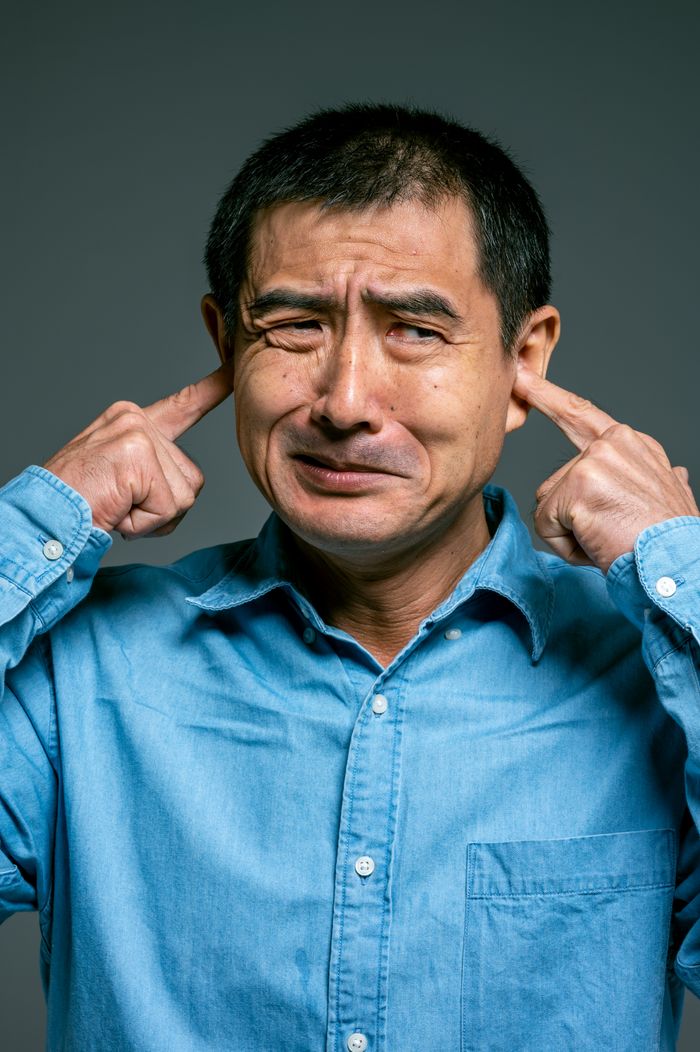
Tinnitus and sleep problems often feed into each other.
The quieter your surroundings become, the more noticeable ringing, buzzing, hissing, or humming may seem. Then, when sleep does not come easily, you may feel tired, tense, and more sensitive to the sound the next day.
Stress can make this cycle even stronger. You may start checking whether the noise is louder, worrying about whether it will ever stop, or feeling anxious as bedtime approaches. The tinnitus is real—but your body’s stress response can make it feel more intrusive and difficult to ignore.
The good news is that there are practical ways to reduce this cycle. They may not make tinnitus disappear overnight, but they can help you sleep better, feel calmer, and regain more control over your daily routine.
Important: This article is for general educational purposes and is not a substitute for medical advice. Seek prompt medical care if tinnitus begins suddenly, happens in one ear only, pulses in time with your heartbeat, follows a head injury, or occurs with sudden hearing loss, severe dizziness, weakness, balance problems, or ear pain.
Why Tinnitus Can Feel Louder at Night
During the day, your brain has many sounds and activities to process: conversations, traffic, work, music, household sounds, and movement. These sounds can make tinnitus less obvious.
At night, the environment often becomes quieter. There are fewer outside sounds competing with the ringing, so the contrast can feel stronger.
This does not always mean that tinnitus itself has physically become louder. Often, the brain is simply paying more attention to it.
There are other reasons tinnitus can feel worse in the evening:
- You are tired after a long day
- Stress and worry have built up
- You are lying still with fewer distractions
- You are worried about not sleeping
- You are checking the sound repeatedly
- Your bedroom is completely silent
Over time, the brain can begin linking bedtime with tinnitus-related worry. This may create a pattern where you feel alert or anxious as soon as you get into bed.
The goal is to gently change that pattern.
The Tinnitus–Stress Cycle
Tinnitus can trigger a natural stress reaction. A new or unfamiliar sound may make the brain ask, “Is something wrong?”
When the brain sees the sound as important or threatening, it may monitor it more closely. The more you listen for it, the more noticeable it can become.
This can lead to a cycle:
- You notice tinnitus.
- You feel worried, frustrated, or upset.
- Your body becomes more alert and tense.
- You pay more attention to the sound.
- The sound feels louder or harder to tolerate.
- You worry even more.
This does not mean tinnitus is imagined or caused only by stress. It means stress can affect how strongly the brain reacts to a real internal sound.
A large part of tinnitus management is teaching the nervous system that the sound does not require an emergency response.
Start With a Calmer Evening Routine
A consistent wind-down routine can help tell your brain that the day is ending and sleep is approaching.
You do not need an elaborate routine. Choose a few actions you can repeat most evenings.
For example:
- Dim the lights 30 to 60 minutes before bed
- Stop checking stressful news, work messages, or social media
- Take a warm shower or bath
- Drink a non-caffeinated drink if it suits you
- Do gentle stretches for your neck and shoulders
- Listen to calm background sound
- Read something light and relaxing
- Practice slow breathing for a few minutes
Consistency matters more than perfection. If you do the same relaxing activities regularly, your brain may begin to associate them with rest rather than worrying about tinnitus.
Use Sound, But Keep It Gentle
Complete silence can make tinnitus more noticeable. A low level of background sound can reduce the contrast and make the ringing feel less central.
Helpful options include:
- A bedside fan
- A white-noise, pink-noise, or brown-noise machine
- Rainfall, ocean waves, wind, or forest sounds
- Soft instrumental music
- A low-volume speaker playing calming audio
- A tinnitus sound app
You do not need to drown out tinnitus completely. In many cases, it is more comfortable to use sound at a gentle level that blends with the tinnitus rather than overpowering it.
Avoid turning audio up too high. Loud sound, especially through headphones or earbuds, can strain hearing and may worsen tinnitus for some people.
If you use a phone app, place the device at a comfortable distance from the bed instead of wearing earbuds while sleeping.
A Simple Breathing Exercise for Tinnitus Stress
When tinnitus feels overwhelming, your body may react with tension: shallow breathing, a racing heart, tight shoulders, or a clenched jaw.
Slow breathing can help lower this response.
Try this:
- Sit or lie comfortably.
- Breathe in slowly through your nose for four seconds.
- Breathe out gently for six seconds.
- Keep your shoulders relaxed.
- Repeat for two to five minutes.
Do not force your breathing or hold your breath if it feels uncomfortable. The main idea is a calm, slightly longer exhale.
You can also quietly say a phrase during the exhale, such as: “This is difficult, but I am safe.” Some people find this helps reduce the urge to fight the sound.
What to Do If You Cannot Sleep
Most people have occasional nights when sleep does not come easily. The problem often grows when you start trying very hard to force sleep.
If you have been awake for a while and feel increasingly frustrated, consider getting out of bed briefly. Sit somewhere dimly lit and do a quiet, low-stimulation activity, such as reading a paper book, listening to gentle sound, or practicing slow breathing.
Return to bed when you feel sleepy again.
Try to avoid:
- Looking at the clock repeatedly
- Scrolling through social media
- Reading upsetting news
- Doing work in bed
- Turning on bright lights
- Checking whether tinnitus is louder every few minutes
The goal is to keep the bed connected with rest rather than struggle.
If poor sleep has continued for months, ask a doctor or sleep professional about cognitive behavioural therapy for insomnia, often called CBT-I. It is a structured approach that helps people change the thoughts and habits that maintain insomnia.
Watch for Caffeine, Alcohol, and Nicotine Patterns
There is no single food or drink that causes tinnitus for everyone. However, some people notice that certain habits affect their sleep, stress levels, or tinnitus awareness.
Possible factors include:
- Coffee, tea, cola, energy drinks, and other caffeine sources
- Alcohol, particularly close to bedtime
- Nicotine
- Large meals late at night
- Dehydration
- Skipping meals
- High-stress days
Caffeine does not need to be avoided by everyone with tinnitus. If you enjoy coffee and do not notice a problem, there may be no reason to stop. But if you regularly struggle to sleep, try moving caffeine earlier in the day for two weeks and observe whether it makes a difference.
Alcohol may make you sleepy at first, but it can disrupt sleep later in the night. It may also affect tinnitus for some people.
Make one change at a time. This gives you a better chance of identifying what genuinely helps.
Release Jaw, Neck, and Shoulder Tension
Stress often shows up in the body. You may clench your jaw, grind your teeth, raise your shoulders, or hold tension in your neck without realizing it.
For some people, jaw and neck tension can influence tinnitus. You may notice this if the sound changes when you move your jaw, turn your head, or press on certain muscles.
Before bed, try a brief tension check:
- Let your shoulders drop away from your ears.
- Rest your tongue lightly on the roof of your mouth.
- Keep your teeth slightly apart instead of clenched.
- Roll your shoulders slowly backward a few times.
- Gently stretch your neck without forcing it.
- Take a few slow breaths.
If you have frequent jaw pain, clicking, headaches, or suspected teeth grinding, speak with a dentist, doctor, or physiotherapist. A professional assessment may help identify whether jaw or neck treatment is appropriate.
Move During the Day
Physical activity can support sleep, mood, and stress management. It does not need to be intense to be useful.
Options may include:
- A daily walk
- Gentle cycling
- Swimming
- Stretching
- Yoga or tai chi
- Gardening
- Light strength exercises
Try to choose movement you enjoy and can do regularly. Daytime activity can help build natural sleep pressure by evening.
If possible, spend time outside during daylight hours. Morning or early-afternoon light helps support your body’s natural sleep-wake rhythm.
Avoid very intense exercise immediately before bed if it makes you feel more alert.
Change the Way You Respond to the Sound
One of the most difficult parts of tinnitus is the urge to constantly assess it:
- “Is it louder today?”
- “Will it ever go away?”
- “What if I cannot sleep again?”
- “Why is this happening to me?”
These thoughts are understandable. But frequent checking can train the brain to keep tinnitus at the centre of attention.
Instead of fighting the sound, try a more neutral response:
“I notice the sound is here. I do not have to solve it right now.”
This is not about pretending tinnitus is easy. It is about reducing the emergency signal your brain attaches to it.
With time, many people find that tinnitus becomes less emotionally charged and less noticeable. This is often called habituation. The sound may still be present, but it no longer controls every quiet moment.
When Professional Support Can Help
You do not have to manage tinnitus-related stress or sleep problems alone.
Consider speaking with a healthcare professional if tinnitus is affecting your quality of life, sleep, mood, work, or relationships. Helpful support may include:
- A hearing assessment
- Medical review for possible causes or contributing factors
- Hearing aids, when hearing loss is present
- Cognitive behavioural therapy for tinnitus distress
- CBT-I for insomnia
- Support for anxiety, depression, or persistent stress
- Assessment of jaw, neck, or dental concerns
If tinnitus is causing severe distress, panic, depression, or thoughts of harming yourself, seek urgent mental health support or contact your local emergency service.
A 7-Day Tinnitus Sleep Reset
Try this simple plan for one week:
Day 1: Choose a bedtime sound
Day 2: Create a 30-minute wind-down routine
Set up a fan, sound machine, or calming audio at a low volume.
Dim lights, reduce screens, and choose one relaxing activity.
Day 3: Practice slow breathing
Use the four-second inhale and six-second exhale for three minutes.
Day 4: Take a daytime walk
Aim for at least 15 to 20 minutes, preferably outdoors.
Day 5: Check your caffeine timing
Avoid caffeine later in the day and see whether sleep feels easier.
Day 6: Release physical tension
Spend five minutes relaxing your jaw, neck, and shoulders.
Day 7: Review what helped
Write down what made the evening or sleep feel even slightly better.
Small improvements matter. Better sleep may not remove tinnitus, but it can make the sound easier to handle and reduce the stress that keeps it in the foreground.
Final Thoughts
Tinnitus can feel most difficult when you are tired, stressed, and alone in a quiet room. But the relationship between tinnitus, stress, and sleep can be changed over time.
Start by making your evenings calmer, adding gentle background sound, protecting your sleep routine, and giving your nervous system regular chances to settle.
You may not be able to control every fluctuation in tinnitus. But you can build habits that help it take up less space in your life.