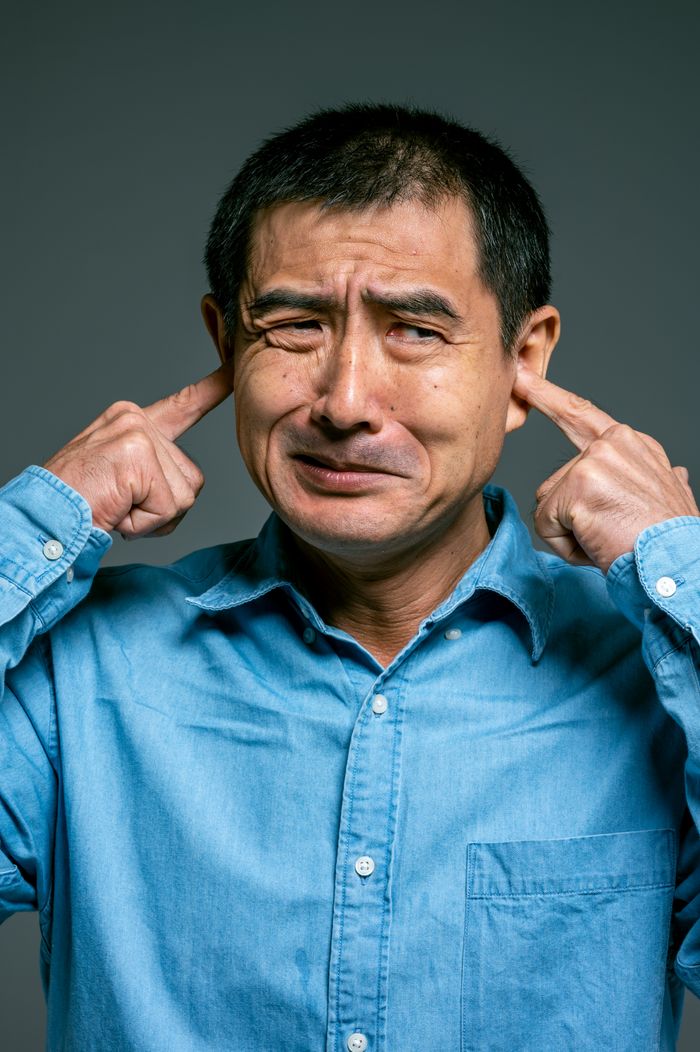
Tinnitus is the perception of sound when there is no outside sound source. People describe it in different ways: ringing, buzzing, hissing, humming, whistling, clicking, roaring, or even a pulsing sound.
For some people, tinnitus is mild and occasional. For others, it can affect sleep, concentration, work, relationships, and emotional well-being. The sound may seem especially loud at night, during stressful periods, or after exposure to loud noise.
Although there is not one guaranteed cure for every type of tinnitus, many people learn ways to reduce how disruptive it feels. Managing tinnitus usually means addressing both the sound itself and the things that can make the brain notice it more strongly.
This first guide covers practical, evidence-informed steps that may help you live more comfortably with tinnitus.
Important: Tinnitus can have many causes. This article is general education and is not medical advice. If your tinnitus is new, sudden, one-sided, pulsating like a heartbeat, or occurs with hearing loss, dizziness, ear pain, weakness, or balance problems, contact a qualified healthcare professional promptly.
Start With a Hearing and Health Check
One of the most useful first steps is to arrange a hearing assessment with an audiologist, hearing professional, or doctor.
Tinnitus is often associated with hearing changes, including hearing loss caused by aging, loud-noise exposure, ear infections, or other ear conditions. Sometimes a person may not notice a hearing change in everyday life, but a hearing test can identify it.
A clinician can also check for possible contributors such as:
- Earwax buildup
- Ear infection or fluid in the ear
- Recent exposure to loud sound
- Jaw joint problems, including TMJ disorders
- Medication side effects
- High blood pressure or other medical conditions
- Stress, poor sleep, anxiety, or depression
Do not stop prescribed medication because of tinnitus without speaking to the prescriber. If you think a medicine may be affecting your ears, ask your doctor or pharmacist for advice.
Understanding possible contributing factors does not always produce an immediate answer, but it can help you make a practical plan.
Avoid Complete Silence
Silence often makes tinnitus seem louder. This happens because there is less outside sound competing for your attention, so the brain may focus more strongly on internal sound.
Gentle background noise can make a meaningful difference, especially at bedtime or during quiet work.
You might try:
- A bedside fan
- Soft instrumental music
- Rain, ocean, or nature sounds
- White noise, pink noise, or brown noise
- A low-volume radio or podcast
- A sound machine or a tinnitus sound app
The aim is not necessarily to cover tinnitus completely. For many people, a low and comfortable level of background sound is more helpful than trying to “block out” the ringing.
At night, choose sounds that feel relaxing rather than stimulating. Keep the volume low enough that it remains comfortable and does not interfere with sleep.
Protect Your Hearing Without Overprotecting It
Loud noise is a common tinnitus trigger. Concerts, power tools, lawn equipment, motorcycles, machinery, firearms, and loud headphones can all strain the hearing system.
Use hearing protection in genuinely loud settings. Foam earplugs, reusable musician’s earplugs, and earmuffs can all be useful depending on the environment.
Consider protection when you are:
- Attending concerts, clubs, or sporting events
- Using power tools or lawn equipment
- Working around machinery
- Riding motorcycles
- Shooting firearms
- Working in a noisy occupation
However, wearing earplugs all day in normal, safe environments may not be helpful. Overprotecting your ears from everyday sounds can make the auditory system more sensitive and may cause tinnitus to feel more noticeable in quiet moments.
A good general rule is simple: protect your ears from loud sound, but allow yourself to hear normal daily sound.
Improve Sleep One Step at a Time
Tinnitus and poor sleep can create a difficult cycle. Ringing makes it harder to fall asleep, fatigue makes stress harder to manage, and stress can make tinnitus feel more intrusive the following day.
Instead of aiming for a perfect sleep routine overnight, focus on a few consistent habits:
- Go to bed and wake up at roughly the same time each day.
- Keep screens and bright light lower during the hour before bed.
- Avoid caffeine late in the day if it affects your sleep.
- Use soft background sound if silence makes tinnitus more noticeable.
- Keep your bedroom cool, dark, and comfortable.
- Avoid checking the clock repeatedly when you cannot sleep.
If tinnitus-related sleep trouble is ongoing, speak with a healthcare professional. Cognitive behavioural therapy for insomnia, commonly called CBT-I, is a structured treatment that can help people with persistent sleep difficulties.
Notice Your Personal Triggers Without Becoming Overly Restrictive
Some people notice that tinnitus becomes more noticeable after specific triggers. Common examples include stress, fatigue, loud noise, alcohol, nicotine, dehydration, jaw tension, and poor sleep.
Caffeine is also frequently blamed, but its effects are individual. Some people notice no change at all, while others find that reducing coffee, energy drinks, tea, or cola helps. There is no need to cut out every food or drink automatically.
A simple symptom diary can be useful for two to four weeks. Record:
- Your tinnitus level from 1 to 10
- Sleep quality
- Stress level
- Exposure to loud sounds
- Caffeine, alcohol, or nicotine use
- Exercise and hydration
- Jaw pain, teeth grinding, or neck tension
- New medication or illness
Look for repeated patterns, not one difficult day. Tinnitus naturally fluctuates, so it is easy to mistake coincidence for a trigger. If you identify a reliable pattern, make one manageable change and see whether it helps.
Reduce the Stress Response
Stress does not mean tinnitus is “all in your head.” The sound is real. However, when the nervous system is on high alert, the brain can treat tinnitus as a threat and pay more attention to it.
Reducing stress may not make the sound disappear, but it can reduce distress and make the sound easier to live with.
Helpful options include:
- Slow breathing for a few minutes
- Gentle stretching or yoga
- Walking outdoors
- Regular exercise suited to your health
- Mindfulness or guided relaxation
- Talking with a trusted friend, therapist, or support group
- Taking short breaks from screens and noise
Try a simple breathing practice: breathe in slowly for four seconds, then breathe out slowly for six seconds. Continue for two to five minutes. A longer exhale can help signal safety and calm to the nervous system.
If tinnitus is causing significant anxiety, low mood, panic, or hopelessness, professional mental health support can be an important part of treatment. Cognitive behavioural therapy, often called CBT, has good evidence for reducing tinnitus-related distress.
Pay Attention to Jaw, Neck, and General Health
For some people, tinnitus changes with jaw movement, teeth clenching, neck tension, or posture. This can happen when the muscles and nerves around the jaw and neck influence auditory pathways.
If you also have jaw clicking, jaw pain, frequent headaches, teeth grinding, facial tension, or tinnitus that changes when you move your jaw, consider discussing it with a dentist, doctor, or physiotherapist.
General health matters too. Regular movement, balanced meals, hydration, blood pressure management, and adequate rest support the body’s ability to handle stress and recover from daily strain.
Be cautious with supplements advertised as tinnitus cures. Evidence for most “natural cure” products is limited, and some may interact with medications or cause side effects. Always check with a doctor or pharmacist before starting a supplement.
Give Your Brain Time to Adjust
Many people fear that tinnitus will always feel as intense as it does at the beginning. Fortunately, the brain can adapt. Over time, tinnitus may become less emotionally important and less noticeable, even if the sound does not disappear entirely.
This process is often called habituation. It does not mean giving up or pretending the sound is not there. It means teaching the brain that the sound is not a danger requiring constant attention.
Background sound, improved sleep, stress management, hearing support, and therapy can all help this process.
Start small. Choose one or two strategies from this article and use them consistently for a few weeks. A fan at night, hearing protection at noisy events, a daily walk, or a hearing assessment can be a meaningful first step.
When to Get Medical Help Urgently
Seek prompt medical care if tinnitus:
- Starts suddenly with sudden hearing loss
- Occurs in one ear only, especially if new
- Sounds like a heartbeat or pulse
- Happens after a head injury
- Comes with severe dizziness, facial weakness, balance problems, severe headache, or neurological symptoms
- Causes severe emotional distress or thoughts of harming yourself
Tinnitus can be frustrating, but support is available. The best approach is usually a combination of medical evaluation, healthy hearing habits, gentle sound support, better sleep, and strategies that calm the stress response.
You do not need to solve everything at once. Start with one practical change today.