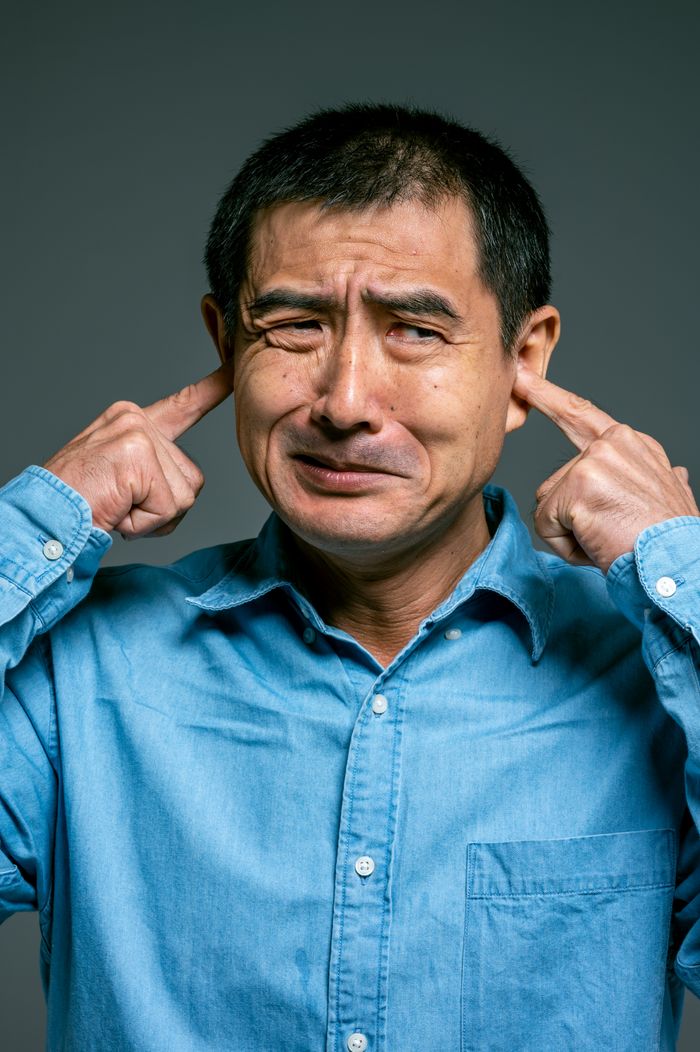
Tinnitus does not always sound the same from one day to the next. You may have periods when ringing, buzzing, hissing, or humming barely registers, followed by days when it seems impossible to ignore. These changes can be frustrating, especially when there is no obvious explanation.
Not every increase has a clear cause. Tinnitus naturally varies for many people, and a louder day does not automatically mean permanent worsening. Still, recognizing common triggers can help you make informed choices, protect your hearing, and feel less caught off guard by fluctuations.
This guide looks at factors that may make tinnitus more noticeable, along with practical steps for responding without becoming overly focused on every change.
Loud Sound Exposure
Exposure to loud sound is one of the most important tinnitus-related factors to take seriously. Concerts, clubs, sporting events, fireworks, loud machinery, power tools, headphones at high volume, and traffic-heavy environments can temporarily aggravate tinnitus. Repeated noise exposure can also damage hearing and increase the risk of long-term symptoms.
The risk depends on both volume and duration. A very loud sound can be harmful quickly, while moderately loud sound may become a problem after extended exposure.
To reduce risk:
- Wear properly fitted earplugs at concerts and loud events.
- Use earmuffs or hearing protection around machinery and tools.
- Move farther away from speakers when possible.
- Take breaks from noisy settings.
- Lower headphone volume and avoid long listening sessions at high levels.
- Give your ears time to recover after noisy activities.
Hearing protection should be used for genuinely loud environments. Wearing earplugs all day in normal settings may make everyday sounds feel overly intense and can make tinnitus stand out more.
Hearing Changes and Ear Conditions
Tinnitus is commonly linked with hearing loss, including gradual age-related changes and hearing changes caused by sound exposure. When the brain receives less information from certain sound frequencies, it may become more aware of internally generated sound.
Other ear-related issues can also affect tinnitus, including earwax buildup, middle-ear infections, fluid behind the eardrum, allergies, sinus congestion, and pressure changes during flights or colds.
If tinnitus is new, persistent, or changing significantly, it is sensible to arrange a hearing assessment. An audiologist can check hearing levels and discuss whether hearing support may be appropriate. If earwax or an infection is involved, proper treatment may help.
Avoid inserting cotton swabs, keys, hairpins, or other objects into the ear canal. These can push wax deeper, irritate the ear, or cause injury.
Medications and Supplements
Some medications may be associated with tinnitus in certain people. This does not mean that anyone taking these medicines will develop ringing in the ears, nor does it mean you should stop a prescription medication on your own.
Examples that may be relevant include some anti-inflammatory pain medicines, certain antibiotics, particular cancer treatments, diuretics, and high doses of aspirin. The likelihood and seriousness vary greatly by medication, dose, length of use, and individual health factors.
Supplements can also cause unexpected effects or interact with medicines. Products marketed for “ear health” or tinnitus relief may contain stimulants, unverified ingredients, or doses that are not suitable for everyone.
If you believe a medication or supplement is affecting your tinnitus:
- Write down when you started it and when symptoms changed.
- Note the dose and timing.
- Speak with the clinician or pharmacist who manages your medicines.
- Do not suddenly stop prescribed treatment unless a qualified professional tells you to do so.
A medication review can be especially useful if tinnitus began soon after a new prescription, dose adjustment, or supplement.
Caffeine, Alcohol, and Nicotine
Caffeine, alcohol, and nicotine do not affect everyone with tinnitus in the same way. Some people notice no difference at all. Others find that one or more of these substances increases ringing, disrupts sleep, contributes to anxiety, or worsens headaches and tension.
Rather than cutting everything out at once, observe your own patterns. If you suspect a connection, try one small, time-limited adjustment. For example, reduce afternoon coffee for two weeks, or avoid alcohol for a few weekends. Notice whether there is a consistent change.
Nicotine can affect blood flow and is linked with hearing health concerns, so reducing or quitting is beneficial beyond tinnitus. If stopping nicotine is difficult, speak with a healthcare professional about proven support options.
Dehydration and Irregular Meals
A busy day can lead to skipped meals, not enough water, and a sudden drop in energy. When the body is under-fueled or dehydrated, headaches, fatigue, irritability, and stress may increase. These factors can make tinnitus more difficult to tolerate.
Simple habits can make a difference:
- Keep water nearby during the day.
- Eat regular meals when possible.
- Include protein, fiber, fruits, vegetables, and healthy fats.
- Carry a snack if long gaps between meals are likely.
- Limit very salty foods if you personally notice they worsen ear pressure or related symptoms.
There is no universal “tinnitus diet,” and no food plan has been proven to cure tinnitus. The focus should be on regular nourishment and identifying individual sensitivities rather than strict, fear-based food rules.
Illness, Allergies, and Sinus Pressure
Colds, seasonal allergies, sinus congestion, and ear pressure can make tinnitus feel different. Inflammation or difficulty equalizing pressure in the middle ear may temporarily change how you hear external sound, causing internal noise to become more noticeable.
If allergies are a regular problem, discuss safe management options with a doctor or pharmacist. Treating nasal congestion, staying hydrated, and resting during illness may help your overall comfort.
Avoid using decongestants or other over-the-counter remedies for long periods without medical advice, particularly if you have high blood pressure, heart conditions, glaucoma, or take other medications.
Head, Neck, and Jaw Factors
For some people, tinnitus changes when they move their jaw, turn their head, clench their teeth, or press on areas around the neck. This can happen because signals from the jaw, neck, and muscles interact with auditory pathways.
Pay attention to possible clues:
- Does the sound change when you open your mouth wide?
- Do you have clicking or pain in the jaw?
- Do you wake with headaches or sore facial muscles?
- Do you spend long hours leaning forward over a laptop or phone?
- Did symptoms begin after a neck injury?
These signs do not confirm a cause on their own, but they are useful details to share with a healthcare professional. A dentist, physiotherapist, doctor, or specialist may be able to assess related tension or joint problems.
High Blood Pressure and General Health
Tinnitus may sometimes be associated with health conditions that affect circulation, including high blood pressure. Looking after overall cardiovascular health is valuable for many reasons and may reduce contributing factors in some cases.
Consider regular blood pressure checks, particularly if you have a family history of hypertension or symptoms such as headaches, dizziness, chest discomfort, or shortness of breath. Follow medical guidance on physical activity, nutrition, weight management, and medication if needed.
A sound that pulses or beats in time with your heartbeat requires medical evaluation. This type of tinnitus, called pulsatile tinnitus, can have several possible causes and should not be self-diagnosed.
Track Patterns Without Becoming Obsessed
A short symptom record can help you identify patterns, but tracking every minute of every day may increase attention on tinnitus. Keep it simple.
For two or three weeks, note:
- Date and time
- Sleep quality
- Recent noise exposure
- Caffeine, alcohol, or nicotine use
- Illness, congestion, or allergies
- Medication changes
- Major stressors
- A brief rating of how bothersome tinnitus felt
The aim is to spot repeated links, not to create a perfect explanation for every fluctuation. If no pattern appears, that is also useful information. It may mean you can stop searching for a cause behind every louder day.
When a Change Requires Medical Assessment
Tinnitus should be evaluated if it is new, lasts longer than a few days, becomes much more intense, occurs mainly in one ear, or comes with hearing changes. Book an appointment with a doctor, audiologist, or ear, nose, and throat specialist for guidance.
Seek urgent care if tinnitus is accompanied by:
- Sudden hearing loss
- Severe or persistent dizziness
- New facial weakness, numbness, confusion, or difficulty speaking
- Symptoms after a head injury
- Ear bleeding, drainage, or severe pain
- A sound that pulses with your heartbeat
A Calm, Practical Approach
Tinnitus can vary, and trying to control every possible trigger may become stressful in itself. A better approach is to focus on the factors you can reasonably manage: protect your ears from loud noise, support your general health, check medication concerns with a professional, and seek assessment for new or concerning symptoms.
The goal is not perfection. It is to make sensible choices, reduce avoidable risks, and respond calmly when tinnitus has a louder day.