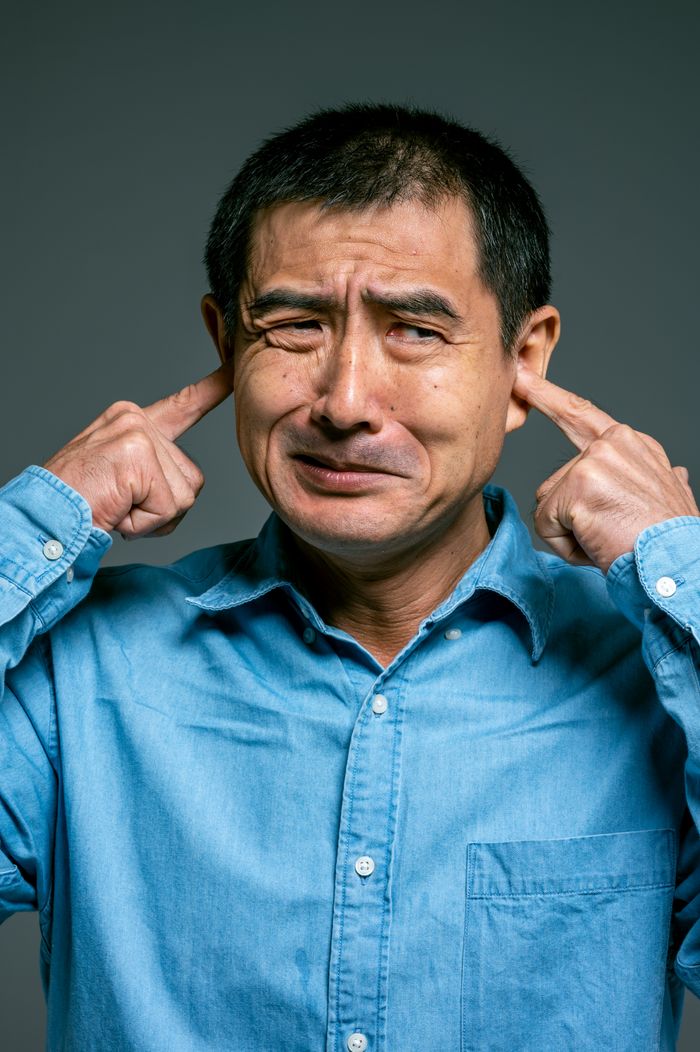
Tinnitus is often described as ringing in the ears, but for many people, it is much more than that. It can sound like buzzing, humming, hissing, clicking, roaring, whistling, or even a high-pitched tone that seems impossible to escape. The sound may be constant or intermittent, subtle or overwhelming. It may affect one ear, both ears, or feel as though it comes from inside the head.
For people living with tinnitus, the experience can be frustrating, exhausting, and isolating. Because the sound is invisible to others, it can be difficult to explain how disruptive it feels. A quiet bedroom, a focused work task, or a peaceful moment may become difficult when the internal noise refuses to fade.
While tinnitus does not always have a quick cure, many people learn effective ways to reduce its impact and regain a sense of control.
What Tinnitus Can Feel Like
Tinnitus itself is a symptom rather than a disease. It is commonly linked to changes in the hearing system, including age-related hearing loss, exposure to loud noise, earwax buildup, ear infections, certain medications, jaw problems, and circulatory issues. Stress and poor sleep can also make it seem louder or harder to tolerate.
The experience varies widely. Some people notice tinnitus only in complete silence. Others hear it throughout the day and struggle to concentrate, rest, or enjoy conversations. For a smaller number of people, tinnitus can become severe enough to affect mood, work, relationships, and overall quality of life.
One of the hardest aspects is that tinnitus often becomes more noticeable when life is already difficult. Anxiety, fatigue, illness, and emotional stress can increase awareness of the sound. In turn, the sound can create more anxiety and sleep loss. This cycle can make tinnitus feel much bigger than the noise itself.
Recognizing that cycle is an important first step. The goal is not always to force the sound away. Often, the more realistic goal is to reduce the distress and attention attached to it.
Get a Proper Hearing and Medical Check
If tinnitus is new, worsening, or affecting daily life, it is worth speaking with a doctor, audiologist, or ear, nose, and throat specialist. A hearing test can identify hearing loss that may be contributing to the problem. Even mild hearing loss can cause the brain to become more aware of internal sounds.
Professional support is especially important if tinnitus:
- Starts suddenly
- Occurs in only one ear
- Pulses in time with your heartbeat
- Is accompanied by dizziness, balance problems, ear pain, or sudden hearing loss
- Begins after a head injury
- Causes significant anxiety, depression, or sleep disruption
Sometimes there is a treatable cause, such as impacted earwax, an infection, medication side effects, or a jaw-joint issue. In other cases, identifying hearing loss can lead to useful treatment options such as hearing aids.
Hearing aids may help more than communication. By making external sounds easier to hear, they can reduce the contrast between silence and tinnitus. For some people, this makes the internal sound less noticeable.
Avoid Complete Silence
Silence can make tinnitus seem louder because there is nothing else for the brain to listen to. Gentle background sound can be one of the simplest and most useful coping tools.
This does not mean drowning out tinnitus with loud noise. In fact, loud sound exposure can worsen hearing damage and make symptoms worse. Instead, aim for soft, comfortable sound in the background.
Helpful options may include:
- A fan or air purifier
- Quiet nature sounds, such as rain or ocean waves
- Soft instrumental music
- White noise, pink noise, or brown noise
- A bedside sound machine
- Low-volume podcasts or audiobooks
- Hearing aids with built-in sound features, when recommended by an audiologist
Experiment with different sounds and volumes. Some people prefer steady noise, while others find natural and changing sounds more relaxing. The right choice is the one that makes tinnitus less intrusive without becoming distracting itself.
At night, background sound can be especially helpful. A sound machine or speaker placed near the bed may reduce the sharpness of tinnitus and make it easier to fall asleep.
Protect Your Hearing Without Overprotecting It
Protecting hearing is essential, particularly around loud sounds. Concerts, power tools, motorcycles, sporting events, clubs, and loud workplaces can all expose the ears to damaging noise levels.
Use properly fitted earplugs or earmuffs when needed. Musicians’ earplugs, for example, can lower volume while preserving sound quality. If noisy activities are part of your job, follow workplace hearing-protection rules and take breaks away from the noise where possible.
However, wearing earplugs all day in ordinary environments can sometimes make tinnitus more noticeable. Overprotection may cause the brain to focus even more intensely on internal sounds. Reserve hearing protection for genuinely loud settings rather than normal daily noise.
A useful rule is simple: protect your ears from harmful noise, but continue participating in everyday life.
Take Stress Seriously
Stress does not necessarily cause tinnitus, but it can make it far harder to live with. When the body is tense and alert, the brain tends to scan for threats and disturbances. Tinnitus can then become the center of attention.
Stress-management habits may not remove the sound, but they can reduce the emotional reaction to it. Over time, this can make a meaningful difference.
Consider building a few of these practices into your routine:
- Regular walking, cycling, swimming, or another form of exercise
- Slow breathing exercises
- Stretching or yoga
- Mindfulness or guided relaxation
- Time outdoors
- Limiting constant news and social media exposure
- Keeping a manageable daily schedule
- Talking openly with a trusted friend, counselor, or support group
Cognitive behavioral therapy, often called CBT, has helped many people with tinnitus-related distress. It does not claim that the sound is imaginary. Instead, it helps change unhelpful thoughts and reactions around the sound, reducing fear, frustration, and the feeling that tinnitus controls everything.
Improve Sleep One Step at a Time
Tinnitus and poor sleep often feed into each other. When you are tired, the sound can feel more intense. When the sound feels intense, sleep becomes harder. Breaking that pattern may take time, but small changes can help.
Try to keep a consistent sleep and wake schedule, including weekends. Reduce caffeine later in the day if it affects your sleep. Create a wind-down routine that signals to your body that the day is ending: dim lights, avoid stressful work, put away screens when possible, and use relaxing background sound.
If you wake during the night, avoid checking the clock repeatedly. Focus on slow breathing or neutral sound instead. If insomnia becomes ongoing, consider speaking with a healthcare professional. Structured treatment for insomnia can be more effective than simply trying harder to sleep.
You Are Not Alone
Living with tinnitus can be difficult, particularly in the beginning. It may take time for the brain to stop treating the sound as something urgent. But many people find that tinnitus becomes less intrusive as they use sound support, protect their hearing, manage stress, and get appropriate professional care.
Progress may not mean never hearing the sound again. It may mean sleeping better, concentrating longer, worrying less, and having more days when tinnitus stays in the background rather than taking center stage.
If tinnitus is affecting your mental health or making everyday life feel unmanageable, reach out for support. Help is available, and the burden does not have to be carried alone.