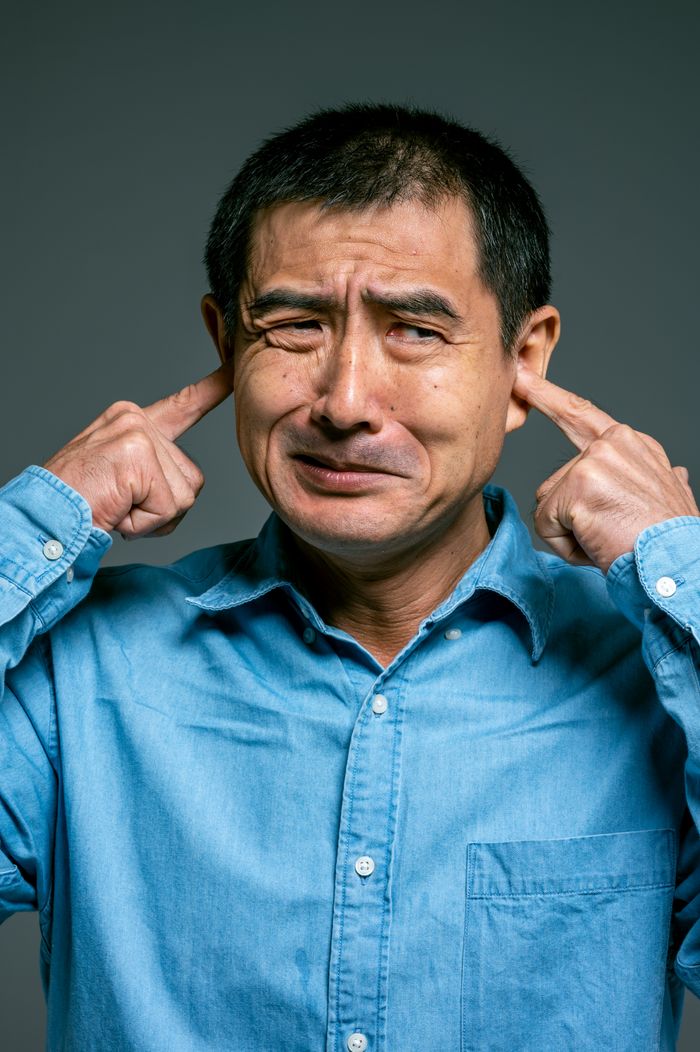
Tinnitus can change the way everyday life feels. A sound that begins as a faint ringing may gradually become something you notice during work, conversations, travel, exercise, and quiet moments at home. For some people, it is a temporary annoyance. For others, it becomes a persistent companion that affects confidence, attention, and emotional wellbeing.
The challenge is not only the sound itself. It is also the uncertainty that can come with it. People may wonder whether the noise will get worse, whether they will ever sleep normally again, or whether they will still be able to enjoy the activities they once loved.
Learning to live with tinnitus often means rebuilding trust in your own ability to cope. It means adjusting routines without allowing the condition to shrink your life.
The Brain’s Attention Problem
Tinnitus tends to feel louder when the brain treats it as important. This does not mean the sound is “all in your head.” The noise is real, and the distress it causes is real too. But the brain has a powerful filtering system. It decides which sounds deserve attention and which can fade into the background.
Think about the sound of a refrigerator, air conditioner, or traffic outside a window. At first, you may notice it clearly. After a while, your brain usually filters it out. Tinnitus can be harder to filter because it may trigger worry, irritation, or fear. Each time you check whether it is still there, the brain receives the message that the sound matters.
This can create a habit of monitoring: listening for tinnitus when you wake up, testing it in quiet rooms, comparing today’s noise with yesterday’s, and worrying about whether it has changed. Although understandable, constant checking often keeps tinnitus at the front of awareness.
One practical response is to gently redirect attention rather than fight the sound. When you notice tinnitus, bring your focus back to the task in front of you: the conversation, the book, the meal, the walk, or the work project. The noise may still be present, but it does not have to become the main event.
Handling Tinnitus at Work
Concentration can be difficult when tinnitus is noticeable, especially in quiet offices or when working from home. Tasks that require reading, writing, calculations, or long periods of focus may feel more tiring than before.
Small environmental changes can make workdays easier. If silence makes tinnitus stand out, consider using soft background audio. A fan, low-level nature sound, ambient music without lyrics, or a noise app can reduce the sense of quiet without interrupting concentration.
Headphones can be useful, but volume matters. Listening at high volume for long periods can place additional strain on hearing. If you use headphones regularly, keep the volume comfortable enough that you could still hear someone speaking nearby.
It can also help to structure demanding work around your best times of day. If tinnitus feels stronger when you are tired, schedule complex tasks earlier and save routine work for later. Short breaks can prevent mental fatigue from building up.
For people in shared workplaces, there may be no need to explain every detail. A simple statement such as, “I focus better with a little low-level background sound,” may be enough to request a reasonable adjustment.
Social Situations and Communication
Tinnitus sometimes occurs alongside hearing difficulties, particularly in noisy places. Restaurants, family gatherings, meetings, and busy public spaces can become tiring because the brain is working harder to separate speech from background noise.
There are several ways to make communication less stressful:
- Choose seating where you can see people’s faces clearly.
- Sit with your back to a wall rather than in the middle of a noisy room.
- Ask friends or colleagues to face you when speaking.
- Choose quieter cafés or restaurants when possible.
- Take brief breaks from loud environments.
- Let people know when you miss something instead of pretending to understand.
Many people hesitate to ask for repetition because they do not want to seem rude or difficult. In reality, most people are happy to speak a little more clearly once they understand what is needed.
If conversations frequently feel difficult, a hearing assessment is worth considering. Hearing support can improve communication and may also reduce the effort involved in listening.
Moving Past Fear of Sound
After developing tinnitus, some people become afraid of sound itself. They may avoid restaurants, music, family events, public transport, exercise classes, or social activities because they worry that any noise will make things worse.
Protecting hearing around very loud sound is sensible. Avoiding all sound is not. Everyday sounds are generally safe, and cutting yourself off from normal life can increase anxiety and isolation.
A balanced approach is more helpful. Use hearing protection at concerts, when using loud equipment, or in other clearly noisy settings. For normal daily activities, allow yourself to hear the world around you. Gradually returning to enjoyable activities can help restore confidence.
If sound sensitivity is severe or causes discomfort, speak with an audiologist or another qualified hearing professional. Individual guidance can help you avoid both harmful exposure and unnecessary avoidance.
Exercise and Physical Health
Physical activity can be useful for people living with tinnitus because it supports sleep, mood, circulation, and stress management. It also gives the mind something active to focus on.
There is no single best exercise. Walking, swimming, gardening, dancing, strength training, cycling, and gentle stretching can all be worthwhile. The best routine is one you can do consistently and enjoy.
Some people notice that tinnitus temporarily changes after exercise. It may seem louder after intense activity, especially if dehydration, fatigue, or muscle tension is involved. If this happens, try easing into workouts, drinking enough water, and paying attention to posture and breathing.
Neck, shoulder, and jaw tension can also affect tinnitus for some people. Long hours at a desk, clenching teeth, grinding at night, or holding stress in the upper body may contribute to discomfort. Improving workstation setup, taking stretch breaks, and discussing persistent jaw pain with a dentist or clinician may be useful.
Making Peace With Setbacks
Tinnitus often has good days and difficult days. A spike may happen after poor sleep, illness, stress, travel, loud noise, or no obvious reason at all. When the sound becomes more noticeable, it is easy to panic and assume that all progress has disappeared.
A temporary increase does not necessarily mean permanent damage or failure. Try treating a difficult day as a signal to return to basics: rest, hydration, gentle sound, reduced stress, and less checking.
It can help to have a simple plan for tinnitus spikes:
- Remind yourself that fluctuations happen.
- Avoid repeatedly testing or measuring the sound.
- Use calming background audio.
- Step away from unnecessary noise, but do not isolate yourself in silence.
- Do something absorbing, such as walking, cooking, calling a friend, or watching a familiar program.
- Prioritize sleep and recovery that night.
Having a plan reduces the feeling of helplessness when symptoms change.
Keep Your Identity Bigger Than Tinnitus
Tinnitus can take up a great deal of mental space, especially at first. It may feel as though life is divided into “before” and “after.” But over time, it is possible for tinnitus to become one part of life rather than the definition of it.
Continue making plans. Keep seeing people. Try new routines. Spend time on hobbies that demand attention and bring satisfaction. Learn something, create something, travel somewhere, or return to an activity you have been avoiding.
The goal is not to pretend tinnitus does not exist. It is to stop organizing your entire life around it.
Living with tinnitus requires patience, but it does not mean giving up peace, enjoyment, or connection. With practical adjustments and steady support, many people find that the sound loses its power to dominate their days.